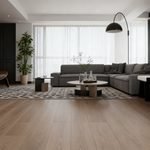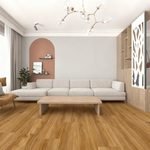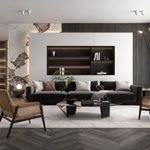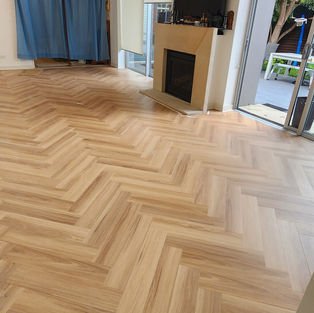

If you’ve been shopping for new floors lately, chances are you’ve come across the term “hybrid flooring” more than once. It’s everywhere — in flooring showrooms, renovation blogs, and neighbour conversations over the back fence. But what actually is it, and is it the right choice for your home?
This guide breaks it all down clearly. No fluff, no jargon — just honest, practical information to help you make the best flooring decision for your lifestyle and budget.
What Is Hybrid Flooring?
Hybrid flooring is a multi-layer flooring product that combines the best qualities of luxury vinyl planks (LVP) and laminate flooring into a single, high-performance solution. It gives you the warm, realistic look of timber without the vulnerability to moisture, scratches, or temperature changes that real timber brings.
Also known as hybrid timber flooring or hybrid wood flooring, this innovative product is made from a blend of materials — typically a combination of plastic, limestone, and wood flour or bamboo dust — compressed into multiple layers.
In simple terms, think of hybrid flooring as engineered smartly from the ground up. Each layer serves a specific purpose, working together to create a floor that looks beautiful, performs under pressure, and lasts for decades.
How Is Hybrid Flooring Structured? Understanding the Layers
A standard hybrid plank is built from four to five distinct layers:
1. Wear Layer (Top Layer)
This is the clear protective coating sitting on top of the plank. It guards against surface scratches, scuffs, and daily foot traffic. Wear layers typically range from 0.3mm to 0.7mm — the thicker the wear layer, the more durable the floor.
2. Decorative Layer
Directly beneath the wear layer sits a high-definition printed image that mimics the appearance of real timber, stone, or other natural materials. Modern printing technology has made this layer incredibly realistic — to the point where most guests won’t know the difference.
3. SPC or WPC Core
This is the heart of the plank and where the two main types of hybrid flooring differ. More on this shortly.
4. Underlay / Acoustic Backing
Most hybrid planks come with a pre-attached underlay on the bottom. This layer provides cushioning underfoot, reduces noise transfer between floors, and helps regulate temperature.
Read More: Waterproof Laminate Flooring with Aqua System
SPC vs WPC Hybrid Flooring — What’s the Difference?
This is one of the most common questions Australian buyers ask, and for good reason. The core type significantly affects how the floor feels and performs in different rooms.
SPC (Stone Plastic Composite) uses a rigid core made from limestone powder and PVC. It’s incredibly dense, dimensionally stable, and highly resistant to dents. SPC hybrid flooring is ideal for high-traffic areas, kitchens, and commercial spaces where hardness is a priority.
WPC (Wood Plastic Composite) uses a core that incorporates wood pulp or bamboo dust mixed with plastic. This creates a slightly softer, warmer feel underfoot — more comfortable for bedrooms and living areas where you spend a lot of time standing or walking barefoot.
Both are 100% waterproof, both use a click-lock installation system, and both deliver excellent acoustic performance. Your choice simply comes down to where the floor is going and what feel you prefer.
Why Is Hybrid Flooring So Popular in Australia?
Hybrid flooring remains one of the most in-demand choices for Australian households, and its popularity shows no signs of slowing in 2026. Thanks to its waterproof construction, high scratch resistance, and realistic textured finishes, hybrid flooring offers a practical solution without compromising on aesthetics.
There are several reasons why Australians have embraced hybrid flooring so enthusiastically:
Fully Waterproof
Unlike hardwood or laminate, hybrid flooring won’t swell, warp, or buckle when exposed to moisture. This makes it suitable for wet areas like bathrooms, laundries, and kitchens — spaces where timber-based flooring has traditionally struggled.
Pet and Family Friendly
Australia has one of the highest rates of pet ownership in the world. Hybrid flooring handles pet claws, muddy paw prints, and occasional spills with ease. The wear layer resists scratching, and the waterproof core means accidents don’t soak through to your subfloor.
Easy Click-Lock Installation
One of the biggest advantages of hybrid flooring is its ease of installation. The floating click-lock system allows planks to snap together without glue or nails. Many experienced DIYers install hybrid flooring themselves over a weekend, saving significantly on labour costs.
Compatible With Underfloor Heating
Australian winters can be cold, especially in Victoria, New South Wales, and Tasmania. Hybrid flooring is compatible with most underfloor hydronic and electric heating systems — something that cannot be said for solid timber or standard laminate.
Realistic Timber and Stone Aesthetics
Hybrid flooring can give you the look of timber at more affordable prices. Whether you prefer a classic Australian Blackbutt, a coastal Grey Gum, or a rich European Oak finish, the range of available designs is vast and convincing.
What Does Hybrid Flooring Cost in Australia?
Pricing for hybrid flooring in Australia generally falls within the following ranges:
- Budget range: $25 – $45 per m²
- Mid-range: $45 – $70 per m²
- Premium range: $70 – $100+ per m²
These figures cover the flooring material only. Professional installation typically adds $25 – $45 per m² depending on your location and subfloor condition. In total, a mid-range hybrid flooring project for a standard Australian home of around 150m² might cost between $12,000 and $18,000 fully installed.
The floor coverings retailing market in Australia is valued at $4.0 billion in 2026, with hybrid flooring accounting for a growing share of that figure — reflecting just how much consumer confidence has shifted toward this category.
How Long Does Hybrid Flooring Last?
With proper care, hybrid floors can last for decades. Most reputable Australian brands offer residential warranties ranging from 15 to 25 years, and some premium products carry lifetime structural warranties. Lifespan depends on the thickness of the wear layer, the quality of the core, the amount of foot traffic, and how well you maintain the floor.
Routine care is straightforward. A dry microfibre mop for daily cleaning and an occasional damp mop with a pH-neutral cleaner is all it takes to keep hybrid floors looking their best.
Hybrid Flooring vs Other Flooring Types
| Flooring Type | Waterproof | Pet Friendly | DIY Friendly | Lifespan |
|---|---|---|---|---|
| Hybrid Flooring | Yes | Yes | Yes | 20–30 years |
| Laminate | No | Partial | Yes | 10–15 years |
| Solid Timber | No | No | No | 30–50 years |
| Luxury Vinyl Plank | Yes | Yes | Yes | 15–20 years |
| Tile | Yes | Yes | Partial | 30+ years |
Hybrid flooring sits in a strong middle ground — more durable and moisture-resistant than laminate, easier to install and more cost-effective than engineered timber, and warmer underfoot than tile.
What to Look for When Buying Hybrid Flooring in Australia
Before you commit to a product, check these key specifications:
- Wear layer thickness: Look for at least 0.5mm for residential use; 0.7mm or above for high traffic
- Overall plank thickness: 6mm to 8mm is standard; 8mm+ offers better sound dampening
- AC rating: AC3 is suitable for residential use; AC4 and AC5 for commercial or very heavy traffic
- Warranty terms: Always check what the warranty covers — structural, surface, and fade resistance
Not all hybrid flooring products are created equal. Spending a little extra time comparing specifications before purchase will save you considerable frustration down the track.