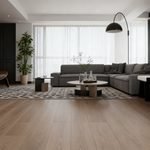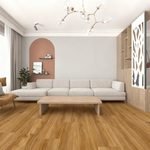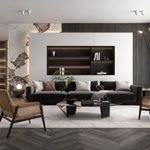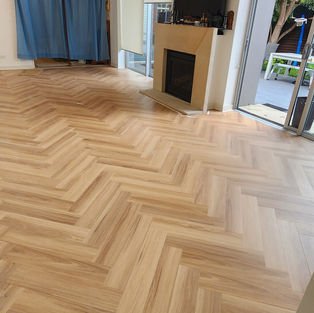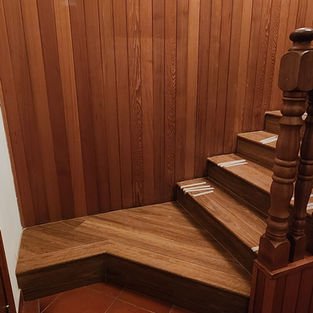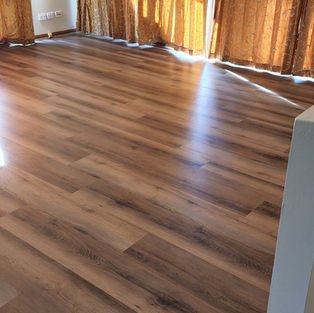

Choosing between engineered timber and solid timber flooring can be confusing when both samples look almost identical. Each has a genuine wood surface, natural grain and the warmth people expect from timber floors.
The main difference sits beneath that surface. Solid timber boards are made from one piece of wood. Engineered timber combines a real wood top layer with a supporting core. This changes how the flooring handles moisture, installation and future sanding.
Which should you choose? Start with your subfloor, room conditions and renovation plans. Appearance matters, but the floor also needs to suit the building.
What Is Engineered Timber Flooring?
Engineered timber flooring has a hardwood surface, often called a wear layer or lamella, bonded to supporting layers beneath it. These commonly include plywood or other timber layers, although construction varies between products.
Is engineered timber real wood? Yes. Its visible surface is genuine timber, with natural knots, grain patterns and colour variation. It differs from conventional laminate flooring, which uses a decorative image to reproduce the appearance of wood.
The layered construction helps control movement as indoor conditions change. However, engineered boards still need suitable site conditions and correct installation.
What Is Solid Timber Flooring?
Solid timber flooring is machined from a single piece of wood. The same species runs through the board, rather than forming only the surface layer.
Its main advantage is renovation potential. Solid boards can often be sanded and refinished several times. However, usable sanding depth depends on the timber remaining above the tongue and groove, previous sanding and the floor’s condition.
Engineered vs Solid Timber Flooring at a Glance
| Feature | Engineered timber | Solid timber |
|---|---|---|
| Construction | Real timber surface over a supporting core | One piece of timber |
| Seasonal movement | Generally less movement | Generally more movement |
| Sanding potential | Depends on wear-layer thickness | Depends on remaining usable timber |
| Installation | Floating, glued or mechanically fixed where approved | Usually glued or mechanically fixed |
| Underfloor heating | Suitable products available | Requires careful product approval |
| Appearance | Natural wood grain and variation | Natural wood grain and variation |
Specifications matter more than the category name. Compare individual products before deciding.
How Do They Handle Moisture and Humidity?
Timber absorbs and releases moisture from its surroundings. As moisture content changes, boards can expand or contract. Excessive movement may cause gaps, cupping or other distortion.
Engineered flooring generally offers greater dimensional stability. Its construction helps reduce movement, making it useful where seasonal humidity changes or wider boards are a concern. Solid timber responds more directly to changes in its environment.
Is Engineered Timber Waterproof?
Do not assume that it is. Greater dimensional stability does not make a timber floor immune to leaks, standing water or a damp subfloor.
A kitchen spill wiped up promptly is different from water trapped beneath boards. For bathrooms, laundries or areas exposed to regular splashing, check the product’s permitted applications and warranty exclusions.
Both flooring types need moisture assessment before installation. A board that feels dry cannot tell you whether the concrete beneath it is ready.
Which Flooring Is More Durable?
Durability includes several different qualities: resistance to dents, surface scratches, moisture movement and the ability to recover from damage.
Neither construction automatically wins every category. Wood species, surface finish, installation quality and maintenance all affect performance.
For example, oak and walnut have different hardness characteristics. The Janka hardness rating helps compare resistance to indentation, but it does not measure how easily a coating scratches.
Which Is Better for Children and Pets?
Look at the finish, maintenance requirements and repair options rather than choosing by construction alone.
Ask whether scratches can receive local repairs, whether the surface can be recoated and whether replacement boards are available. A textured or lower-sheen finish may make everyday marks less noticeable, but it will not prevent damage.
Can Engineered and Solid Timber Be Sanded?
Often, yes, but the limits differ.
Engineered flooring needs enough remaining hardwood above its core to allow sanding. A thin veneer may offer little or no scope for sanding back to bare timber.
Solid flooring usually provides more renovation opportunities, although its full board thickness is not available for sanding. The tongue-and-groove position creates a practical limit.
A maintenance recoat is different from full sanding. Where the existing finish allows it, recoating can refresh protection without removing substantial wood. Have a flooring professional assess the surface before choosing either treatment.
How Does Installation Differ?
Engineered flooring may be floated over approved underlay, bonded to a prepared subfloor or mechanically fixed. The permitted method depends on the board and joint system.
Solid timber is generally bonded or mechanically fixed. Do not assume it can be floated simply because an engineered alternative can.
What should your installer check? Subfloor flatness, moisture, structural condition, expansion allowances and finished floor height all matter. Added height can affect doors, stairs and transitions between rooms.
Acclimatisation also follows the manufacturer’s instructions. Leaving every product in its packaging for the same number of days is not a reliable universal rule.
Read Now: What Is Hybrid Flooring? The Complete Australian Buyer’s Guide
Which Works With Underfloor Heating?
Engineered timber is generally the more straightforward option, provided the specific product is approved for the heating system.
Solid timber may be possible under carefully specified conditions. However, approval depends on factors such as species, board dimensions, installation method and heating controls.
The National Wood Flooring Association notes that not every engineered floor is appropriate for radiant heating either. Confirm compatibility in writing and follow the specified temperature and humidity limits.
Is Engineered Timber Cheaper Than Solid Timber?
Sometimes, but there is no fixed price order. Premium engineered boards can cost more than some solid timber options.
Compare complete installed quotes covering:
- Flooring supply and wastage
- Removal of existing flooring
- Subfloor preparation and moisture control
- Adhesive, underlay and installation
- Trims, transitions and finishing work
Also compare equivalent specifications. Different species, widths, grades and finishes can make two quotes misleadingly different.
Ask about future maintenance costs as well. A lower purchase price may be less attractive if the product cannot support the renovation you expect.
How Do You Maintain Timber Flooring?
Both types benefit from regular removal of grit, prompt spill cleanup and furniture protection.
Use cleaning products approved for the floor’s finish. Oiled and lacquered surfaces may need different care, even when both boards have the same construction.
Avoid wet mopping and steam cleaning. Excess water and heat can damage wood flooring. Place suitable entrance mats near doors and use protective pads beneath furniture.
Which Timber Floor Should You Choose?
Choose engineered timber when reduced seasonal movement, an approved floating installation or compatible underfloor heating is a priority.
Consider solid timber when you prefer single-piece construction and want substantial future refinishing potential.
Before ordering, request a sample, technical specification and itemised installation quote. Confirm wear-layer thickness, subfloor requirements, maintenance instructions and warranty exclusions. These details give you a clearer answer than appearance alone.
Frequently Asked Questions
Does Engineered Timber Look Different From Solid Timber?
Not necessarily. Matching species, grade and finish can make installed floors look very similar. Examine a loose board’s edge to see the construction.
Does Solid Timber Last Longer?
It can offer more sanding opportunities, but lifespan depends on installation, moisture exposure, maintenance and remaining usable timber.
Can Timber Flooring Be Installed Over Concrete?
Suitable systems exist, particularly for engineered flooring. Concrete must meet the product’s moisture and preparation requirements.
Which Is Better for Resale Value?
There is no guaranteed winner. Buyers may value either real timber floor. Condition, appearance and suitability for the home matter more than an unsupported resale premium.